Health Tips

Gut  Health Cheat Sheet

Gut Health Cheat Sheet

By Joanie in Health Tips, Lifestyle Tips on 8 December 2020

Signs of an imbalanced gut include:

  • Stomach problems such as gas, bloating, diarrhoea and constipation 
  • Mood swings
  • Fatigue
  • Depression or anxiety
  • Suppressed immunity or autoimmune disorders
  • Skin problems, like eczema
  • Food allergies or intolerances. 

Here is your Gut Cleanse Cheat Sheet

FOODS TO ADD TO YOUR DIET:

  • Water, this is crucial for cleansing your entire body. 
  • All fresh seasonal vegetables especially Cabbage, Kale, Asparagus, Broccoli and other Brassica Vegetables.
  • All fresh seasonal fruit especially Watermelon, Bananas, Raspberries and Pears.
  • All fresh herbs and spices especially Ginger, Garlic and Turmeric.
  • Probiotics are the “good bugs” and can be found in fermented foods as Sauerkraut, Kefir, Coconut Kefir Yogurt, Kombucha, Miso and Kimchi.
  • Apple Cider Vinegar – which stimulates digestion
  • Gluten free grains (Rice, Quinoa, Buckwheat and Millet) 
  • Beans and Legumes
  • Avocado, extra virgin Olive Oil, Raw Nuts and Seeds, Nut butters & Coconut oil.
  • Herbal tea and Green tea
  • Psyllium husk (a great source of fibre for bowel function)
  • Cultured yogurt

FOODS TO AVOID:

  • Dairy (natural unflavoured yogurt is ok)
  • Gluten (wheat bread, cous cous, pasta, rye, spelt)
  • Fried Foods
  • Highly Processed meats such as deli meats, red meat, bacon and sausages 
  • Processed/ Refined foods 
  • Sugar, sweets, milk chocolate, jams, fruit spreads
  • Alcohol, coffee, soft drinks
  • Processed foods containing high fructose corn syrup, sorbitol, and other artificial sweeteners
  • Non-Organic Meats which may contain antibiotics. 
  • Margarine, artificial colours, flavours, additives, flavour enhancers & hydrogenated fats
Keep Your Defenses Strong

Keep Your Defenses Strong

By Joanie in Health Tips, Lifestyle Tips on 25 November 2020

As the Coronavirus pandemic continues, one of our most important priorities should be keeping our immune system strong and healthy. The immune system consists of cells, tissues and organs that work together to maintain overall health and protect the body against infection. You can help keep your immune system strong by not only ensuring you are getting enough vitamins and minerals but by also avoiding habits and behaviours that can weaken your immune system. 

Here are five habits to be mindful of as you work on boosting your body’s defenses.

1.) Avoid too much Alcohol– In a paper published in the journal Alcohol Research, researchers note that there’s been a long-observed relationship between excessive alcohol intake and a weakened immune response. The effect includes an increased susceptibility to pneumonia, and a greater likelihood of developing acute respiratory stress syndromes (ARDS)—factors that could potentially impact COVID-19 outcome. If you find yourself drinking too much, cut back to a moderate amount of no more than one drink per day for women or two for men.

2.) Curve your Sweet Tooth– High sugar intake can wreak havoc on your body and lead to some of the most serious health conditions there are such as: heart disease, diabetes, obesity and cancer.  It can also take a toll on your oral health and mental health. A study published in The American Journal of Clinical Nutrition found that after an overnight fast, humans fed 100 grams of sugar experienced a reduction in the ability of immune cells to engulf bacteria. You don’t need to cut it out sugar completely, just limit the amount you have to ensure optimum health. 

3.) Not Getting enough Fibre – Fibre is probably best known to normalise bowel movements and promote a healthy gut. However, it also provides other health benefits such as maintaining a healthy weight, lowering cholesterol and controlling blood sugar levels. Research shows that a higher intake of dietary fiber and prebiotics also supports healthier immune function, including protection against viruses. The best way to upgrade your fiber intake is to eat more whole foods, including vegetables, fruit, whole grains, pulses (beans, lentils, peas, chickpeas) nuts, and seeds.

4.) Not Eating enough Fruits & Vegetables– Making sure you eat plenty of fruits and vegetables is one of the best ways to improve your health and keep your immune system strong. This is because a good intake of fruits and vegetables will provide you with a plethora of health benefits including fibre, vitamins, minerals and plenty of antioxidants. By ensuring that you consume these every day, your body will feel more satisfied since its getting the essential nutrients that each cell requires to function properly and fight off infections.

5.) Caffeine Overload– Coffee and tea are health-protective, due to their high levels of antioxidants linked to anti-inflammation. However, too much caffeine can interfere with sleep, and that result can increase inflammation and compromise your immune system. 

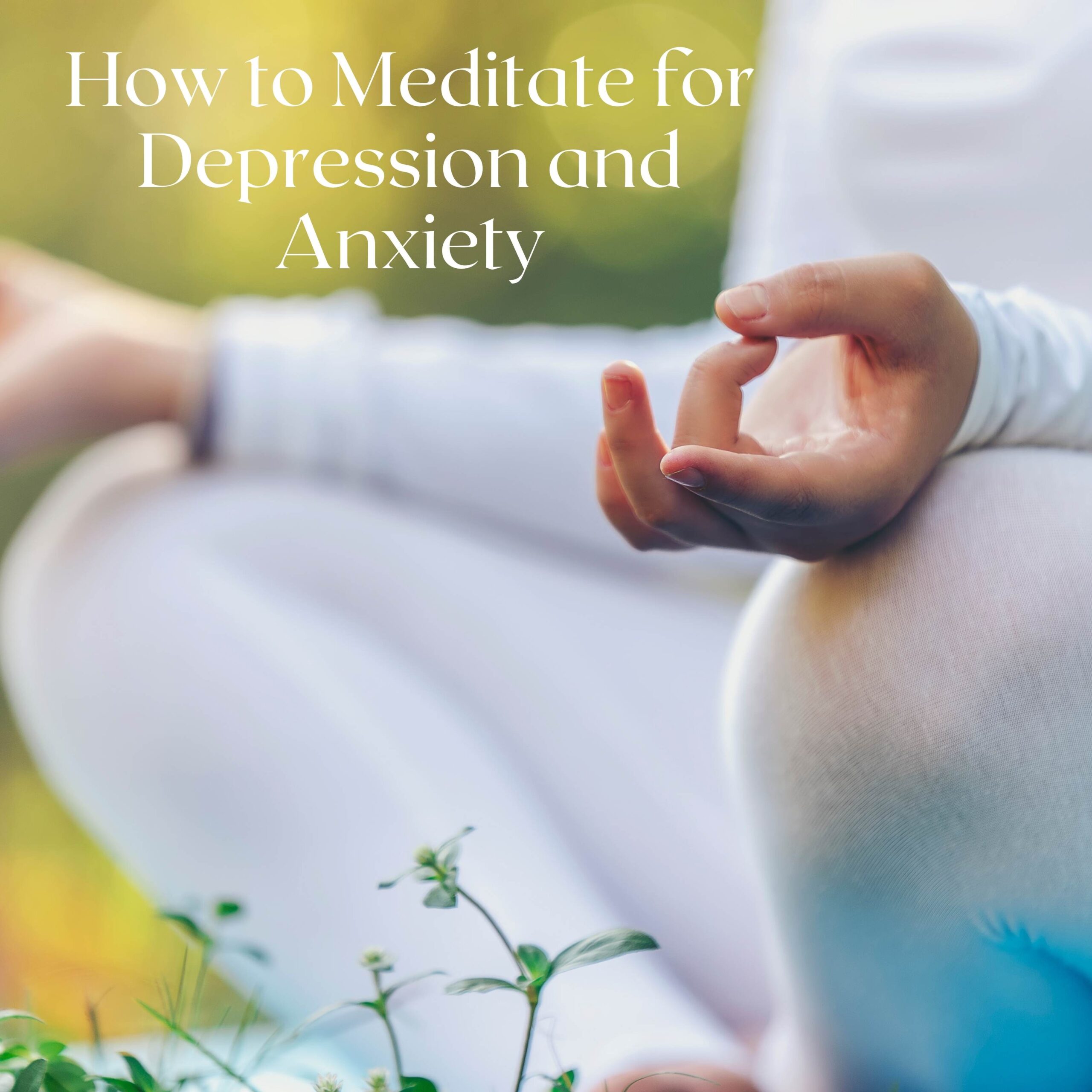
How to Meditate for  Depression & Anxiety

How to Meditate for Depression & Anxiety

By Joanie in Health Tips, Lifestyle Tips on 16 November 2020

Understanding anxiety and depression is the first step in managing it. If we can begin to recognise the triggering situations, we can then start to recognise its onset and find ways to help alleviate its symptoms. This is where meditation comes in.   

Through meditation we familiarize ourselves with anxiety-inducing thoughts. Meditation is a way of learning to see those thoughts, recognise them and then let them go. 

Here is a quick and easy way to get started:

1. Get comfortable

It’s often helpful to sit down but if you feel better standing up or lying down, that works, too. 

The key is to feel comfortable and relaxed. Closing your eyes can also help.

2. Begin with your breath

Take slow, deep breaths through your nose. For several seconds, just focus on breathing. 

Pay attention to:

  • how it feels to inhale
  • how it feels to exhale
  • the sounds of your breath

Your thoughts might wander away from your breath, Try to keep redirecting your focus to breathing whenever you catch yourself thinking about something else.

3. Move from breath to body

Begin shifting your attention from your breath to the various parts of your body.

You can start with your feet, or if you prefer, you can start with your hands or head. 

Focus your awareness on your body, moving from one part to the next. As you continue to breathe slowly and deeply, note how each body part feels. 

Do any areas hurt? Or feel tense? 

If you notice a troublesome sensation, like tension or aches, you can add a visualization exercise. 

Imagine yourself sending relaxing breaths to that part of the body. Picture that tight muscle loosening and pain easing. Getting more comfortable with your bodily experiences and sensations can help you become more tuned in to changes as they come up.

When you’ve finished scanning your body, return your focus to your breath for as long as you need.

Depression & anxiety can be serious. While meditation does show promise as a helpful approach for depression, it’s often not enough on its own. If you have symptoms of depression, consider seeking support from a therapist before trying alternative approaches.

Hello, Movember

Hello, Movember

By Joanie in Health Tips, Lifestyle Tips on 5 November 2020

Movember – Raising Awareness about Men’s Health

It’s November – which means it’s time for all the men out there to ditch your razor and grow a moustache to help raise awareness about men’s health. Prostate cancer in particular, is the main beneficiary of the Movember campaign as it is the most common cancer in men effecting more than 3 million men ever year, worldwide. 

Prostate cancer begins in the prostate gland, which sits between the penis and the bladder and develops when specific changes occur.There are often no symptoms during the early stages of prostate cancer, whichis why it is so important to know your risk. 

Doctors do not know exactly why prostate cancer occurs, however certain risk factors may increase the chances of developing it.  

  • Age – The risk increases with age, particularly after age 50.
  • Ethnicity – For reasons not yet understood, prostate cancer is much more common in men of African Caribbean or African descent.
  • Family history – This is more likely when there are more men in the family with prostate cancer, the more closely related they are, and younger they were when diagnosed.
  • Body weight and diet – being very overweight (obese) may increase the risk of having a more advanced prostate cancer. A diet high in animal fats may increase the risk of prostate cancer.

Symptoms of prostate cancer– When you should consult your doctor

Symptoms of prostate cancer do not usually appear until the prostate is large enough to affect the tube that carries urine from the bladder out of the penis (urethra). 

When this happens, you may notice things like: 

  • Increased need to urinate
  • Feeling that your bladder has not fully emptied
  • Difficulty starting / maintaining urination
  • Blood in the urine or semen
  • Painful urination
  • Difficulty getting or maintaining an erection
  • Pain or discomfort when sitting, if the prostate is enlarged

These symptoms do not mean you have prostate cancer but should not be ignored.

Ways that may help reduce your risk of Prostate cancer:

There’s no proven prostate cancer prevention strategy. But you may reduce your risk of prostate cancer by making healthy choices, such as eating a healthy diet, increasing your intake of fruits and vegetables and exercising. It is also important to consult your GP with any risk factors or symptoms.  

Eat Your Greens

Eat Your Greens

By Joanie in Health Tips, Lifestyle Tips on 28 October 2020

Making sure you eat plenty of greens isone of the best ways to improve your health and keep your body protected from diseases like obesity, diabetes, heart disease and cancer. This is because aportion (about a cup) of greens will provide you with a plethora of health benefits including fibre, vitamins, minerals and plenty of antioxidants. By ensuring that you eat greens every day, your body will feel more satisfied since its getting the essential nutrients that each cell requires to function properly.

So which green vegetables should you eat?

There are many leafy greens you can eat. Here is a list of the healthiest greens commonly available:

  • Kale: It contains almost all the goodness leafy greens can offer. Kale is rich in vitamins A, C, and K, calcium, folate, potassium, and fiber. It protects the heart and may even help to prevent or slow down cancer.
  • Collards: Collards contain nutritional value very similar to Kale.
  • Green leaf, Red leaf, and Romaine lettuce: These are full of vitamin A and folate. The darker the leaves are more nutritious they are.
  • Turnip greens: The tops of turnips are low in calories, and are loaded with vitamins A, C, and K, and calcium.
  • Swiss Chard: These vegetables have a beet-like taste and a soft texture. They contain a healthy amount of vitamins A and C.
  • Broccoli: It is rich in vitamins C and A, potassium, folate, fiber, protein, and iron. Broccoli also contain cancer-fighting sulforaphane.
  • Spinach: Spinach is rich in folate, vitamins A and C. 
  • Mustard greens: These greens have a similar nutrition profile to turnip and collards.
  • Cabbage: This vegetable is an excellent source of vitamin C and cancer-fighting compounds.
  • Small leafy greens, like cilantro, parsley, mint, spearmint, sage, thyme, and fenugreek: These herbs are potent in nutrients similar to the large leafy greens noted above.


SO GO ON THEN, EAT GREENS FOR YOUR HEALTH!

Green leafy vegetables are an important part of our daily diet, and with so many varieties available, it’s easy to add them to your plate. Always choose crispy leaves with a fresh green colour to ensure you are getting all the nutrients they have to offer.

Breast Cancer Awareness Month

Breast Cancer Awareness Month

By Joanie in Health Tips, Lifestyle Tips on 9 October 2020

Breast cancer is a scary thought and all too many women assume that it won’t happen to them.  However the fact is, every ten minutes a woman is diagnosed with breast cancer and it is the most common type of cancer in the UK. Most women that are diagnosed with breast cancer are over the age of 50 but younger women also get breast cancer. In fact, 1 in 8 women are diagnosed during their lifetime. If breast cancer is discovered in its early stages, there is a great chance of recovery. This is why it is so crucial for all women to check their breasts on a regular basis for any changes and have their routine Mammograms.

Symptoms of Breast Cancer:

Breast cancer can have a number of symptoms, but the first noticeable symptom is usually a lump or area of thickened breast tissue. Most breast lumpsare not cancerous, but it’s always best to have them checked by your doctor.

You should also see your GP if you notice any of the following:

  • Change in the size or shape of one or both breasts
  • Discharge from any of your nipples which may be streaked with blood
  • A lump or swelling in either of your armpits
  • Dimpling on the skin of your breasts
  • A rash on or around your nipple
  • A change in the appearance of your nipple, such as becoming sunken into your breast

Breast pain is not usually a symptom of breast cancer.

Even if none of these symptoms present themselves, a doctor should be visited to be sure. All women in the UK are invited for a Breast Cancer Screening (Mammogram) every 3 years. A mammogram examination is painless and only takes about ten minutes and can often detect cancer before any symptoms arise.

Reducing your risk of Breast Cancer:

Cancer is often unpredictable and the causes of cancer are not fully understood, but there are things everyone can do to help reduce their cancer risk or improve their chances of beating the disease if they do get it. What’s more, some of those same behaviours can also help lower your risk for other serious diseases, and boost your odds of living a longer, healthier life.

  • Maintain ahealthy weight
  • Exercise reguarley
  • Have a low intake of saturated fat
  • Limit your intake of alcohol
  • Avoid Smoking
  • Avoid exposure to radiation and environmental pollution
  • Limit dose and duration of hormone therapy
World Heart Day

World Heart Day

By Joanie in Health Tips, Lifestyle Tips on 28 September 2020

Heart Health – Important tips to have a Healthy Heart.

The most important thing you can do to look after your heart is to have a healthy lifestyle. Making just small changes in your habits can make a huge difference to the health of your heart.

Here are 6 Healthy Heart Tips:

1.) Exercise – Physical Activity is great for heart health. Aim for a minimum of at least 30 minutes of moderate physical activity for 5 or more days a week. If exercise isn’t your thing, just keep it simple, try walking for 30minutes a day or find an activity that you really enjoy that gets you up and moving.

2.) Eat Healthy & Maintain a Healthy Weight – Maintaining a healthy weight is key in controlling your blood pressure and lowering your risk for heart disease.  A diet low in saturated fats and rich in fruits, vegetables and whole grains can lower your risk of heart disease by 73 percent. Make sure to eat a balanced diet with a wide range of nutritious foods to ensure that you are getting all the vitamins and minerals that you need.

3.) Get enough Sleep –A good nights sleep is just as important as regular exercise and a healthy diet. Poor sleep has immediate negative effects on your body. Aim for 8 to 9 hours of sleep per night.

4.) Don’t smoke – Smoking increases the risk of cardiovascular diseases which include heart disease and stroke. Smoking is one of the top controllable risk factors for heart disease.

5.) Manage Stress – Stress raises the blood pressure which has an immediate effect on your heart. Try to manage your stress levels by using some relaxation techniques such as meditating, yoga, or gentle breathing exercises.

6.) Keep your blood pressure in check – High blood pressure is the number one risk factor for stroke and a major factor for around half of all heart disease and strokes. Therefore, it is very important to get your blood pressure checked regularly by your GP and if its persistently high, it needs to be controlled.

A Healthy Heart is a Healthy you!

National Eye Health Week

National Eye Health Week

By Tiffany in Health Tips, Lifestyle Tips on 22 September 2020

Eye health is something we often neglect because we tend not to feel any pain when problems arise. However, it is just as important to look after our eyes as it is the rest of our body. There are small lifestyle changes you can make to your everyday life that can have a huge impact on your eye health.

For instance, having a simple eye test will not only tell you if you need glasses or a change of prescription but it can also highlight general health problems and early signs of eye conditions before any symptoms arise, which mean it can be treated if they are found early enough. The NHS recommends that you have your eyes tested every 2 years (more often if advised by your ophthalmic practitioner or optometrist). There are many lifestyle changes you can make to dramatically improve the overall health of your eyes. Here are just a few:


1.) Stop Smoking. Smokers are much more likely to develop age-related macular degeneration which is the most common cause of sight loss.

2.) Lower your alcohol consumption. Heavy drinking has shown to increase the risk of developing early age-related macular degeneration.

3.) Protect your eyes from the sun. Wear a wide-brimmed hat or sunglasses to protect your eyes from harmful UV rays.

4.) Eat well. Try to eat a diet that consists of vitamins A, B-complex, C, D, E, amino acids, beta-carotene, zeaxanthin, and lutein, all of which contribute to optimal eye health.. 

5.) Take Ginko Biloba. This herb improves eye blood flow and circulation, which works to improve vision. In addition, it helps protect your eyes from eye conditions such as macular degeneration and glaucoma. Take 2-3 120mg of ginkgo biloba capsule per day. However, always consult your doctor before taking supplements.. 

6.) Eye Exercises – It is just as important to exercise your eyes as it is your body. In fact, eye exercises can be very beneficial to your overall eye health.

Eye Exercise: · Hold a pencil at arm’s length and allow your eyes to focus on the pencil. · Slowly bring the pencil back towards your nose. · Next, move the pencil away fromyour face until you can no longer focus on the pencil.. Repeat this exercise

Got a Sweet Tooth?

Got a Sweet Tooth?

By Joanie in Health Tips on 7 July 2020

10 Healthy Sweet Treats that will feed your sugar craving without the sugar! 

Dark Chocolate– Choose a dark chocolate that contains more than 70% Cocoa

Berry Smoothie –  Blend together2 cups of organic frozen berries, ¼ cup of  coconut milk (or milk of choice), 1 cup Greek yogurt and 1 tbsp of raw honey. 

Blackberry & Lemon Chia Seed Pudding:  Whisk together 1/3 cup of chia seeds,  2 cups of unsweetened nut milk (of choice). Add ½ tsp of lemon zest, 1 tbsp of fresh lemon juice.  Let sit for 20min and then re-whisk. Refrigerate for at least 6 hours.  Serve with 2-3 springs of fresh lemon thyme and ½ cup of blackberries.

Dark Chocolate Turtles:  Blend pitted dates until they become sticky. Roll them into small balls and press 2-3 pecan halves into the top, freeze for 10min to set. Melt dark chocolate in a saucepan and spoon over the date balls. Freeze for another 10min to set. An instant delicious candy alternative! 

Mandarin Oranges & Cottage Cheese:  Just mix these 2 ingredients together for a healthy sweet snack. 

Roasted Cinnamon Peaches:  Slice Peaches in Halves and pit. Put ½ tsp of butter on to each halve. Sprinkle with cinnamon and drizzle with honey. Bake at 175C for 20-30min until peaches are tender and edges are browned. 

Banana & Peanut Butter Ice Cream: Cut up 4 very ripe bananas and freeze.  Blend the frozen bananas in a blender, be patient as it takes time for them to get to a creamy ice-cream texture. Add 2 tbsp of peanut Butter and blend again for this delicious ice-cream alternative. 

Kefir or Greek Yogurt Parfait:  Combine 3 tbsp of kefir or Greek yogurt,  1 cup of fresh fruit (such as pomegranate, banana, apple, and berries) and 4 walnuts, topped with a tablespoon of coconut flakes. This amazing treat is packed with nutrients. 

Rice Cake with Nut butter and honey: Simply spread peanut or almond butter over a rice cake and drizzle with honey. 

Fruit Salad – A mixture of your favourite fruit

The Importance of Zinc

The Importance of Zinc

By Tiffany in Health Tips, Lifestyle Tips on 29 June 2020

We often hear a lot about Vitamin C but Zinc is also an essential trace element that is crucial for the proper growth and maintenance of our bodies. Zinc also contributes to the development of cells that are in charge of defending your body against toxins or threatening foreign substances. By not getting enough Zinc, you may be come more susceptible to disease and illness as it is vital for a healthy immune system.

Unfortunately, our body doesn’t naturally produce zinc, so we must obtain it through food or supplements.

Here are some of the processes in our body that Zinc is required for:

  • Gene expression
  • Enzymatic reactions
  • Immune function
  • Protein synthesis
  • DNA synthesis
  • Wound healing
  • Growth and development
  • May reduce the risk of age related diseases
  • Vital for Skin Health
  • Decreases Inflammation

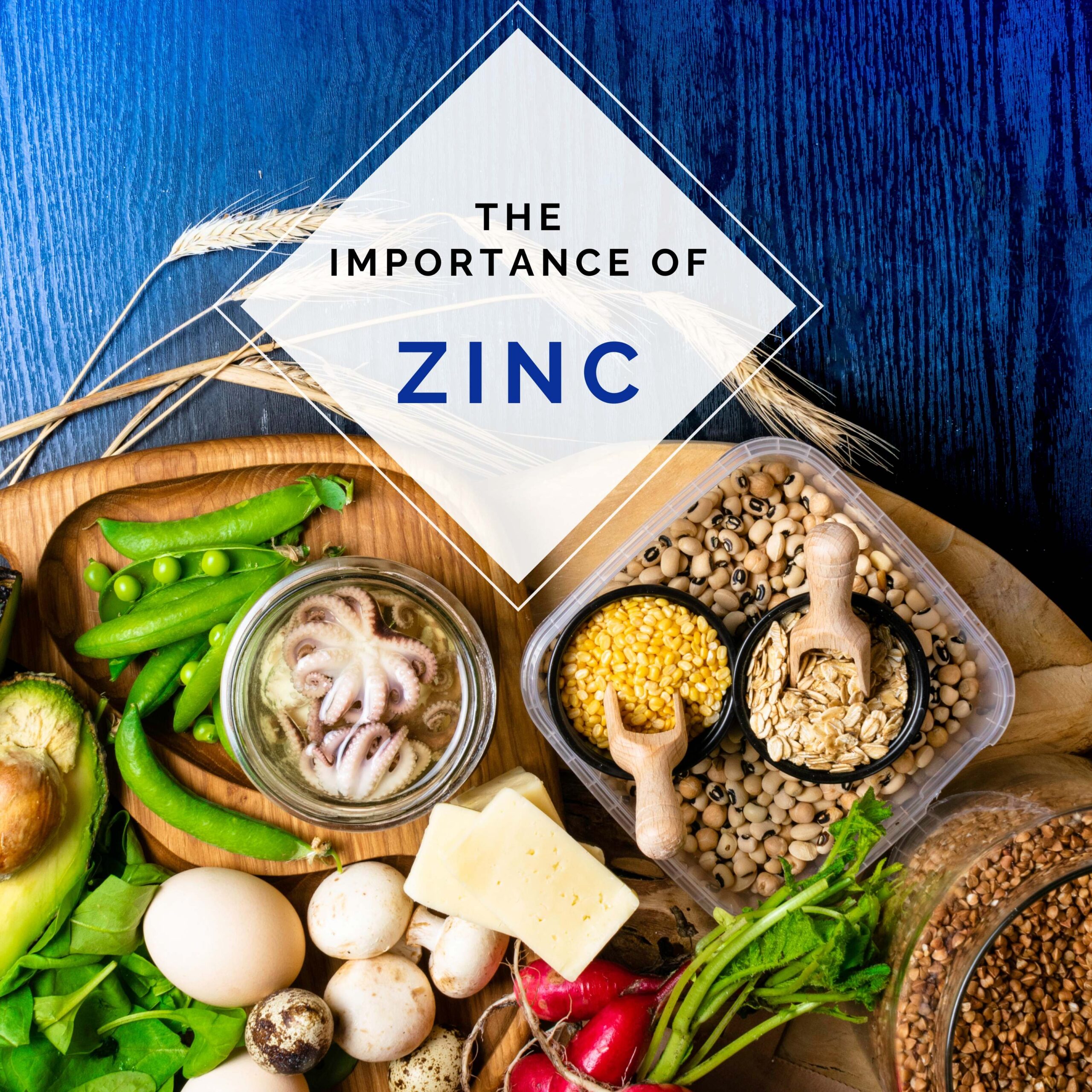
Zinc is naturally found in a wide variety of both plant and animal foods. Here are just 10 examples of foods that you can incorporate into your diet to ensure you are getting Zinc.

Here are 10 Foods high in Zinc

  1. Pumpkin Seeds
  2. Oats
  3. Oysters
  4. Lean Beef
  5. Crab
  6. Chickpeas
  7. Black Beans 
  8. Greek Yogurt
  9. Cashews